SUR CONSERVATION
A conservation initiative rooted in love for territory, life, and communities.
LANGUAGE
IMELEV ISLAND RESTORATION PROJECT
Imelev Island Restoration Project
Chiloé Archipelago, Chile
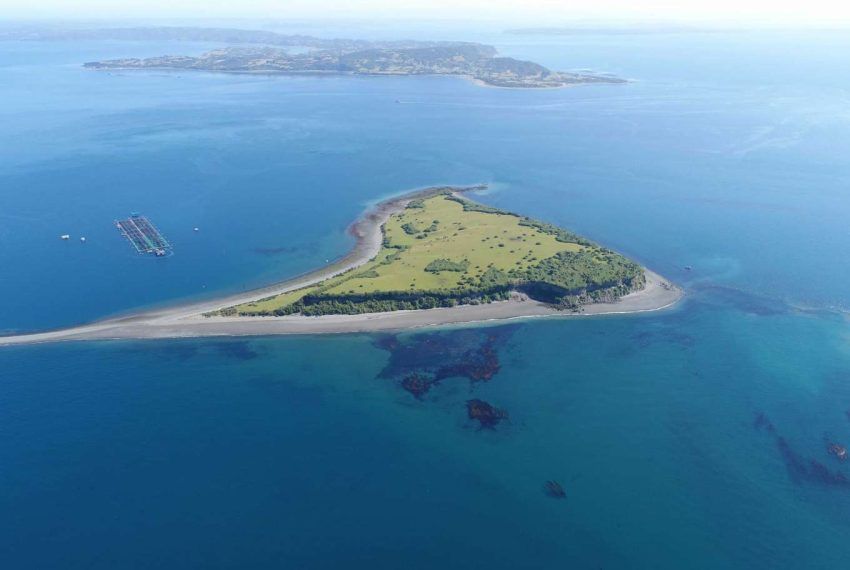
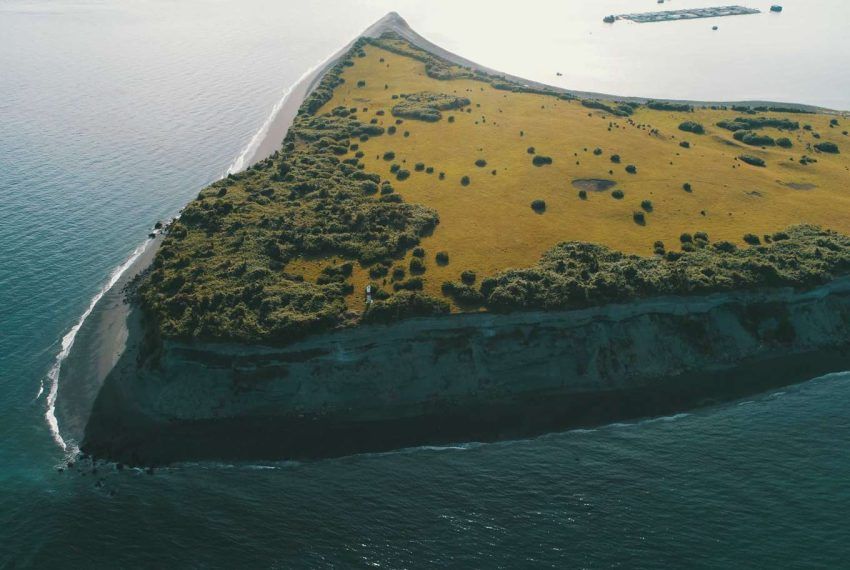
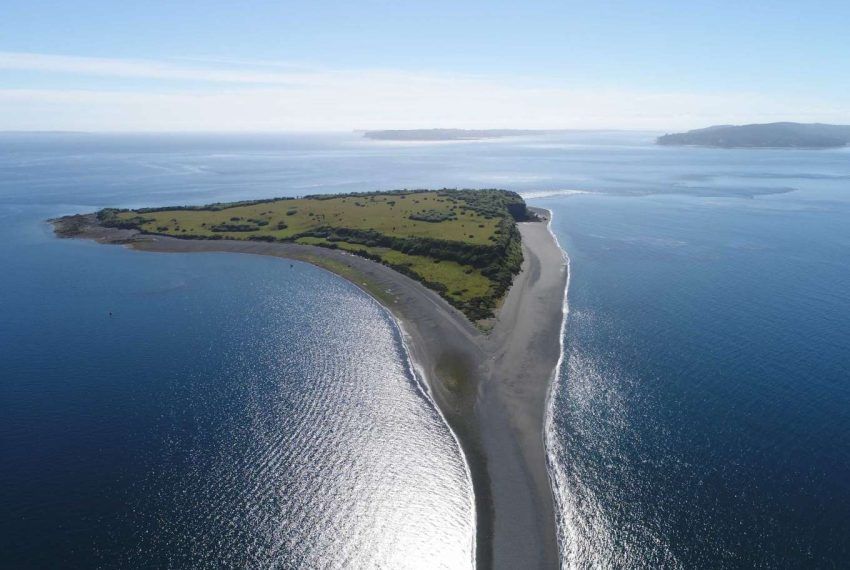
Imelev Island is a privately owned island of 32 hectares (approximately 79 acres) located in the inner sea of the Chiloé Archipelago, in southern Chile. It is a small, currently uninhabited island with a long history of low‑intensity human use. In past decades, a single family lived on the island and practiced small‑scale livestock grazing, which significantly reduced native vegetation cover and altered natural ecological processes.
Today, Imelev Island represents a rare opportunity: to restore a degraded island ecosystem from the ground up and to transform it into a long‑term laboratory for island restoration, science, and education.
Project Vision
The goal of this initiative is to acquire Imelev Island through donations and to develop a long‑term island restoration project that combines ecological recovery, scientific research, and environmental education.
The project is designed with a long time horizon and a clear conservation purpose. As the island reaches ecological maturity and institutional stability, it is envisioned that it may become a private nature reserve or, at a later stage, be donated to the Chilean State to ensure its permanent protection.
Why Restore a Small Island?
Although small in size, islands like Imelev play a critical ecological role. They function as biodiversity refuges, stepping stones for wildlife, and natural laboratories where ecological processes can be observed more clearly than on the mainland.
Restoring Imelev Island means:
Rebuilding native forest and shrub ecosystems typical of the Chiloé archipelago.
Recovering soil health, water retention, and natural carbon storage.
Creating suitable habitat for birds, insects, and other wildlife that naturally recolonize restored environments.
Strengthening ecological connectivity within the inner sea of Chiloé.
Island restoration is not only about planting trees—it is about bringing back ecological balance and allowing nature to recover its own dynamics over time.
Project Phases
The project is structured in progressive and flexible phases, allowing scientific learning and adaptation at every step:
1. Acquisition and Legal Structuring
The island will be acquired through donations from individuals, foundations, and institutions. Legal and governance structures will be established to guarantee that the land is permanently dedicated to conservation, research, and education.
2. Baseline Ecological Assessment
Initial ecological surveys will document current soil conditions, remaining vegetation, wildlife presence, and environmental pressures. This phase provides the scientific foundation for all future restoration actions.
3. Development of Essential Infrastructure
Before large‑scale restoration begins, low‑impact infrastructure will be developed to support long‑term work on the island. This includes basic housing, workspaces, storage, and energy and water systems designed to operate with minimal ecological footprint. This infrastructure is essential for researchers, restoration teams, and educators to safely and responsibly stay on the island.
4. Native Flora Restoration
With permanent or semi‑permanent presence established, the project will begin the restoration of native vegetation, focusing on local tree and understory species characteristic of Chiloé. This process will combine planting, assisted natural regeneration, and long‑term maintenance.
5. Wildlife Monitoring and Ecological Recovery
As vegetation recovers, the island will be continuously monitored to study the natural return of animal species. Scientific data will guide decisions on whether the reintroduction of certain key species is appropriate to restore full ecosystem function.
6. Scientific Station and Educational Programs
A biological field station will be consolidated as a hub for national and international researchers, students, and conservation practitioners. The island will also host educational visits and learning programs, creating a bridge between science, donors, and local communities.
Long‑Term Sustainability
The project aims to achieve environmental, social, and economic sustainability. Carefully managed educational visits, research programs, and partnerships with universities and conservation organizations will help ensure long‑term funding while maintaining strict ecological standards.
Imelev Island is envisioned as a place where science, restoration, and community engagement come together—demonstrating how degraded ecosystems can be healed through commitment, collaboration, and time.
Supporting this project means investing in living science, long‑term conservation, and the restoration of Chile’s insular ecosystems for future generations.
Get Involved with This Project
If our work resonates with you, we would love to hear from you. Share your thoughts, questions, or ways you’d like to get involved, and join us in caring for territories, communities, and wildlife.